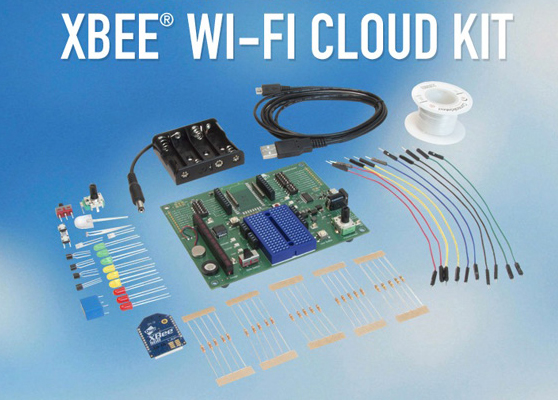
 Digi International today announced their new XBee® Wi-Fi Cloud Kit which “Brings the Internet of Things to Everyone.” Their objective with this ‘kit’ is to “Add cloud connectivity to any device or sensor–create your own Internet of Things ASAP.”
Check out their press release below and go to the “XBeeCloud” and see examples here.

New XBee® Wi-Fi Cloud Kit by Digi International
Brings the Internet of Things to Everyone
Add cloud connectivity to any device or sensor–create
your own Internet of Things ASAP (#IoTASAP)
MINNETONKA, Minn., Nov. 19, 2013 /PRNewswire/ — Digi International (NASDAQ: DGII) today released the XBee® Wi-Fi Cloud Kit, a development kit that allows anyone to build, connect, and control their own Internet of Things. The kit recently won an Editor’s Choice ribbon at World Maker Faire New York 2013.
Built around Digi’s new XBee Wi-Fi module, which wirelessly connects devices to the cloud, the kit integrates with Device Cloud by Etherios™ using a sample internet-based application, and includes a new development board with sensors, actuators, a USB cable, and a variety of electronic prototyping parts for creating custom circuits.
“The new XBee Wi-Fi Cloud Kit is the fastest and easiest way to explore and develop devices and circuits that connect to the Internet of Things,” said Rob Faludi, chief innovation officer and author of Building Wireless Sensor Networks. “Through its straightforward integration with Device Cloud by Etherios, makers, educators, electronics engineers, software designers, and innovators of all kinds can now create their own Internet of Things through easy-to-use web applications.”
The XBee Wi-Fi Cloud Kit features a sample web application that lets users remotely activate various outputs on the development board including LEDs, a vibration motor, a bar graph gauge and an audio buzzer.
In addition, users can build their own circuits on the development board to sense temperature or light, switch on and off other devices via a relay, turn on and off additional LEDs and more. The web application code is open-source, available for anyone to download and use as a learning tool.
The XBee Wi-Fi Cloud Kit is now available for $149 MSRP. For more information or to buy your kit, visit: http://www.digi.com/xbeecloud. See examples here and take part in the conversation on Twitter with the hashtag #IoTASAP.
About Digi International
Digi International is the machine-to-machine (M2M) expert, combining products and services as end-to-end solutions to drive business efficiencies. Digi offers the widest range of off-the-shelf M2M hardware. Etherios, a division of Digi International and a Salesforce.com platinum partner, helps organizations of all sizes achieve their business goals with capabilities encompassing advisory, CRM, wireless design and M2M services. Etherios also offers cloud-based products, Device Cloud by Etherios and The Social Machine. Together, Digi and Etherios offer the only complete end-to-end M2M solution. More information can be found atwww.digi.com and www.etherios.com.
All brand names and product names are trademarks or registered trademarks of their respective companies.
SOURCE Digi International
Copyright 2013 PR Newswire
###
 SharePlan
 Local serial entrepreneurs Lisa Schneegans and Klaus Schneegans have announced a new company, Buzz360 LLC, which provides a marketing platform connecting large companies with small business. The Buzz360™ platform automatically generates an online profile for a small business based upon Facebook posts and also provides automated marketing email updates to customers.
 Quantum dots
 Our pals at
 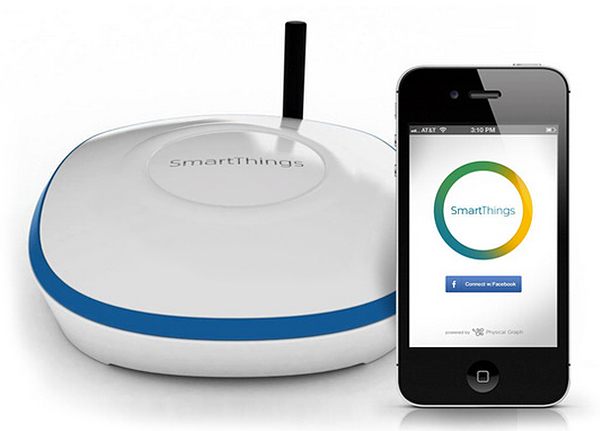 “By 2015, more people will access the Internet from mobile devices than from conventional PCs. A year later, in 2016, 19 billion devices and gizmos will be connected to the mobile Internet — not just your smartphone and tablet, but your washing machine, cars and clothes will be connected too,” writes David Goldman at the start of

 The Consumer Electronics Show (CES) is in full swing and
  At Minnov8, like most social media-savvy folks, we leverage all the social connection capabilities we can for Facebook, Twitter, and other sharing options. It’s an absolute requirement if your organization is online and you want to be “in the game” with today’s always-on and always-connected workforce.
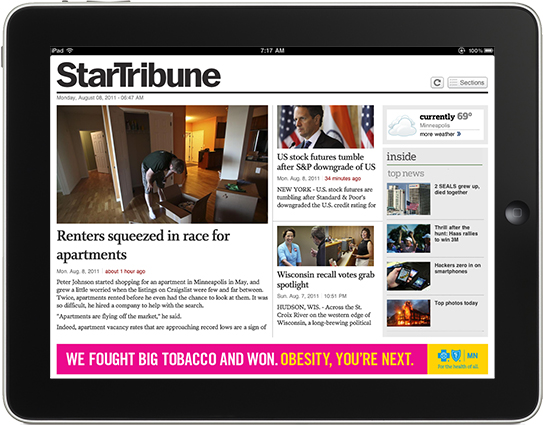 In this morning’s dead-trees edition of the StarTribune, a full page ad appeared announcing the availability of the