[Note: This post first appeared earlier today on the CloudAve blog.]
What a gorgeous spring week it was in Minnesota last week: clear, sunny, even sneaking into the ’70s.  The only “clouds” in sight were the proponents and would-be adopters of the latest, new hotness in enterprise computing. Two events, on Wednesday and Saturday, attracted a wide array of these IT professionals, some 350 all told, who were hungry to learn more about… well, “the orange that’s the new pink,” as Larry Ellison would say. It was beyond impressive that so many people would give up being outdoors last week after the winter we’ve had in these parts! Goes to show how deep our IT roots run in this state. Geeks are everywhere here and, doggone it, we’re proud of it! We still have many old-school enterprise IT folks who remember the days of time-sharing on mainframes, and way more than our per-capita share of Fortune 500 headquarters in this state, all with huge (well, getting leaner) IT departments. But, along with all that, Minnesota has a seemingly endless supply of boot-strapped Internet and software startup developers — folks that are finding they love what cloud computing is doing for them.
So, it was an eclectic bunch that gathered at these two Minnesota cloud events, and I was there to take it all in…. … [Read More…]

 Well, one local entrepreneur, George Reese, is right smack in the middle of all this buzz, and is in a position to help clear up a lot of the confusion about it — especially for enterprises looking to take advantage of the economic benefits of this form of computing.
  His new book on the subject is scheduled to be released by O’Reilly on April 10. It’s entitled
 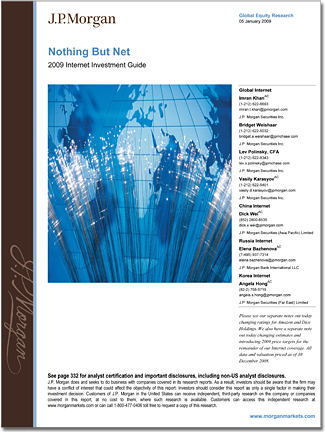 For Minnesotans interested in starting up or expanding within the internet space in these challenging economic times, solid financial sector analysis is often difficult to obtain. For anyone who has pitched their idea, concept or business plan, it’s clear how important it is to put oneself in the shoes of investors, venture capitalists and banks providing the capital you require, and a great way to do that is to gain a more solid understanding of the data they’re using to make strategic investment decisions.